
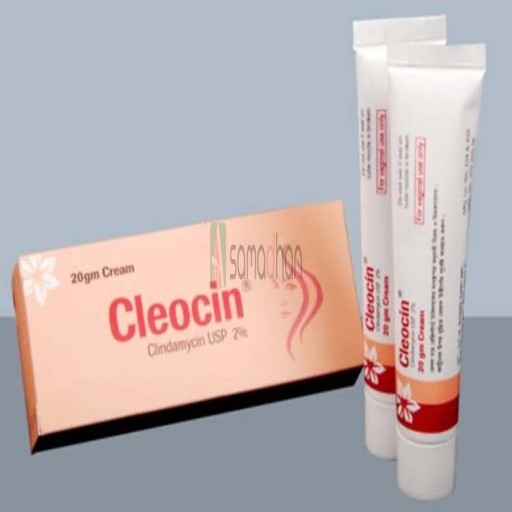
Cleocin 0.02 is a Product of the Generic Clindamycin (Vaginal Cream)
Cleocin 0.02 belongs to the generic category of Clindamycin (Vaginal Cream). This medicine should be used according to a doctor's advice. We have provided detailed information about the uses, dosage, effectiveness, side effects, precautions, drug interactions, storage conditions, and other important details of Cleocin 0.02. Our goal is to present essential medicine information in one place for patients, caregivers, and healthcare professionals. To better understand Clindamycin (Vaginal Cream) and ensure the safe use of this medicine, please read the information below carefully and consult a healthcare professional when necessary.
*Up to 10% Discount
(Depends on pharmacy)
Cleocin 0.02
Healthcare Pharmaceuticals Ltd. · Vaginal Cream
Clindamycin (Vaginal Cream)
/ 20 gm tube
Description of Cleocin 0.02
Cleocin 0.02 may be available as a prescription or over-the-counter medicine, depending on local regulations and medical recommendations. It is used for the treatment and management of specific conditions or symptoms. The way this medicine is used may vary depending on the patient's condition and the advice of a healthcare provider. Detailed information about the approved uses, therapeutic applications, and other relevant details of Cleocin 0.02 is provided below to help users gain a clear understanding of this medicine.
What Is Cleocin 0.02 Indications and Uses?
Clindamycin cream is indicated in the treatment of bacterial vaginosis. Clindamycin cream can be used to treat non pregnant women and pregnant women during the second and third trimester.
Pharmacology (Source, Chemical and Physical Composition) Of Cleocin 0.02
Clindamycin Phosphate is a water soluble ester that derived from the parent antibiotic Lincomycin. Clindamycin inhibits bacterial protein synthesis by binding preferentially to the 50s ribosomal subunit and affects the process of peptide chain initiation. In vitro Clindamycin is active against most strains of the following organisms that have been reported to be associated with bacterial vaginosis:
Bacteroides spp.
Gardnerella vaginalism
Mobiluncus spp.
Mycoplasma hominis
Peptostreptococcus spp.
Dosage And Administration of Cleocin 0.02
One applicator full (approximately 5 gram) intravaginally at bedtime for 7 consecutive days. In patients in whom a shorter treatment course is desirable, a 3-day regimen has been shown to be effective.
Side Effects of Cleocin 0.02
Clindamycin may results the following side effects. Genital tract: vaginitis, vulvo-vaginal irritation Central nervous system: dizziness, headache, vertigo.Gastro-intestinal: heartburn, nausea, vomiting, diarrhea, constipation, abdominal pain. Dermatological: rash, exanthema. Hypersensitivity: urticaria.
Use During Pregnancy and Lactation
There are no adequate and well-controlled studies in pregnant women during the first trimester of pregnancy. This drug should be used during the first trimester of pregnancy only if clearly needed. There is no restriction to use Clindamycin cream during the second and third trimester. It is not known if clindamycin is excreted in breast milk following the use of vaginally administered Clindamycin phosphate. However, orally and parenterally administered Clindamycin has been reported to appear in breast milk.
Precautions And Warnings for Cleocin 0.02
The patient should be instructed not to engage in vaginal intercourse, or use other vaginal products during treatment with this product. This cream contains mineral oil that may weaken latex or rubber products such as condoms or vaginal contraceptive diaphragms. Therefore, use of such products within 72 hours following treatment with Clindamycin cream is not recommended.
Therapeutic Class
Macrolides
Storage Conditions of It
Store the tube below 25 °C, away from light & moisture. Keep out of the reach of children.
Data Source: Data source of Indications and Usages, Pharmacology, Dosage & Administration, Drug Interactions, Side Effects, Use during Pregnancy & Lactation, Precautions & Warnings, Use in Special Populations, Therapeutic Class, and Storage Conditions is the concerned medicine company or respective organization.
Alternative Medicines
⚠ Disclaimer
The information provided on All Samadhan is intended for general informational purposes only and is prepared based on our best practices. It is not a substitute for professional medical advice, diagnosis, or treatment. While we strive to keep the information accurate and up to date, we do not guarantee its completeness or accuracy. The absence of specific information or warnings about any medicine or service should not be considered as an assurance or endorsement by All Samadhan. All Samadhan shall not be held responsible for any consequences arising from the use of this information. We strongly recommend consulting a qualified healthcare professional or physician for any medical concerns, questions, or clarifications.All Samadhan is a digital healthcare software platform operated by MS Genius Experts. We provide technology solutions for pharmacies and healthcare providers; we are not a direct seller or dispenser of prescription medicines

N.B.: All Samadhan is a digital healthcare software platform operated by MS Genius Experts. We provide technology solutions for pharmacies and healthcare providers; we are not a direct seller or dispenser of prescription medicines.
Copyright © All Samadhan - Operated by M/S. Genius Experts | All Rights Reserved
DBID
Registration ID: 176322642
Trade License: TRAD/DNCC/040904/2023